Capturing the Spirit of Cheyenne Frontier Days Through Western Oil Paintings
“It’s the ropes and the reins, the joys and the pains. And they call the thing rodeo,” sings Garth Brooks in one of his hit songs from 35 years ago.
In late July, on a toasty 95-degree day in southern Wyoming, the Cheyenne Frontier Days Rodeo calls my name—not as a bull rider, bronc buster, or roper, but as a photographer here to capture reference images for a series of paintings I will finish during the coming year. Held annually since 1897, Cheyenne Frontier Days(CFD) has earned the nickname “Daddy of ‘Em All“ and is a grand showcase for the strength, courage, skill, and determination of competitors and animals.
Today happens to be military appreciation day at CFD. Before the rodeo begins, military F-16s roar over the arena, and more than 100 people unfurl a massive American flag across the center of the arena as the national anthem is sung. Soon, the crowd starts the countdown and then—Boom!—a 75mm military cannon signals the start of the action.
Just a few days earlier, I was at the Wyoming governors’ residence for the opening reception of the CFD Western Art Show & Sale, which is held at the CFD Old West Museum. It was my second year of having my oil paintings in this outstanding show. Today I’m at the rodeo with a press pass, a chute pass, and a pit pass hanging from my neck, which will give me access to nearly everything at the rodeo.
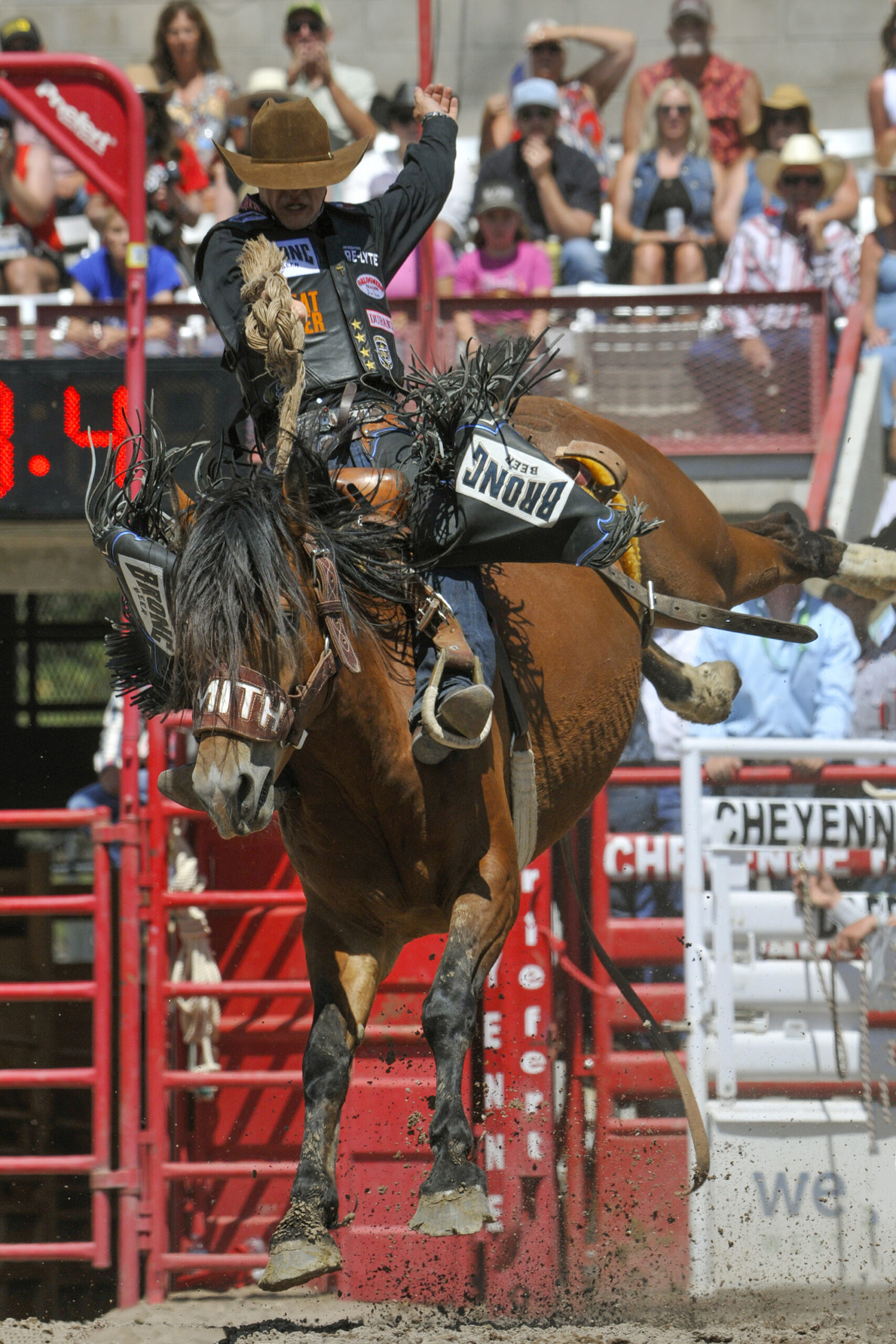
Walking in, I carry dual perspectives as both photographer and painter. Composition is paramount in both disciplines. I watch the lighting, how the sun bounces off the arena dirt and reflects under the cowboy hats and the underside of the animals. As a photographer chasing peak action, I am also constantly hunting for storytelling images: the intense focus of the rider seconds before the chute opens; the connection between horse and rider; the wide-eyed look of a bull as the rider gets settled on it. Sometimes it is the raw emotion in the contestants’ face after the ride, where joy and pain mingle. Up close, I notice the reality of the sport. I observe how they now hold an injured arm, walk with a limp, or have a bent finger that is pointing in the wrong direction.
The pit is a covered concrete structure built half below ground, where photographers line up along the open side where they can shoot from ground level around heavy metal bars that protect them from dangerous bulls and horses, but I still must keep my head on a swivel. When someone yells “incoming!” it’s time to instantly turn my camera and lower my head so flying arena dirt doesn’t hit with a sting. This is where a trusty cowboy hat earns its keep.
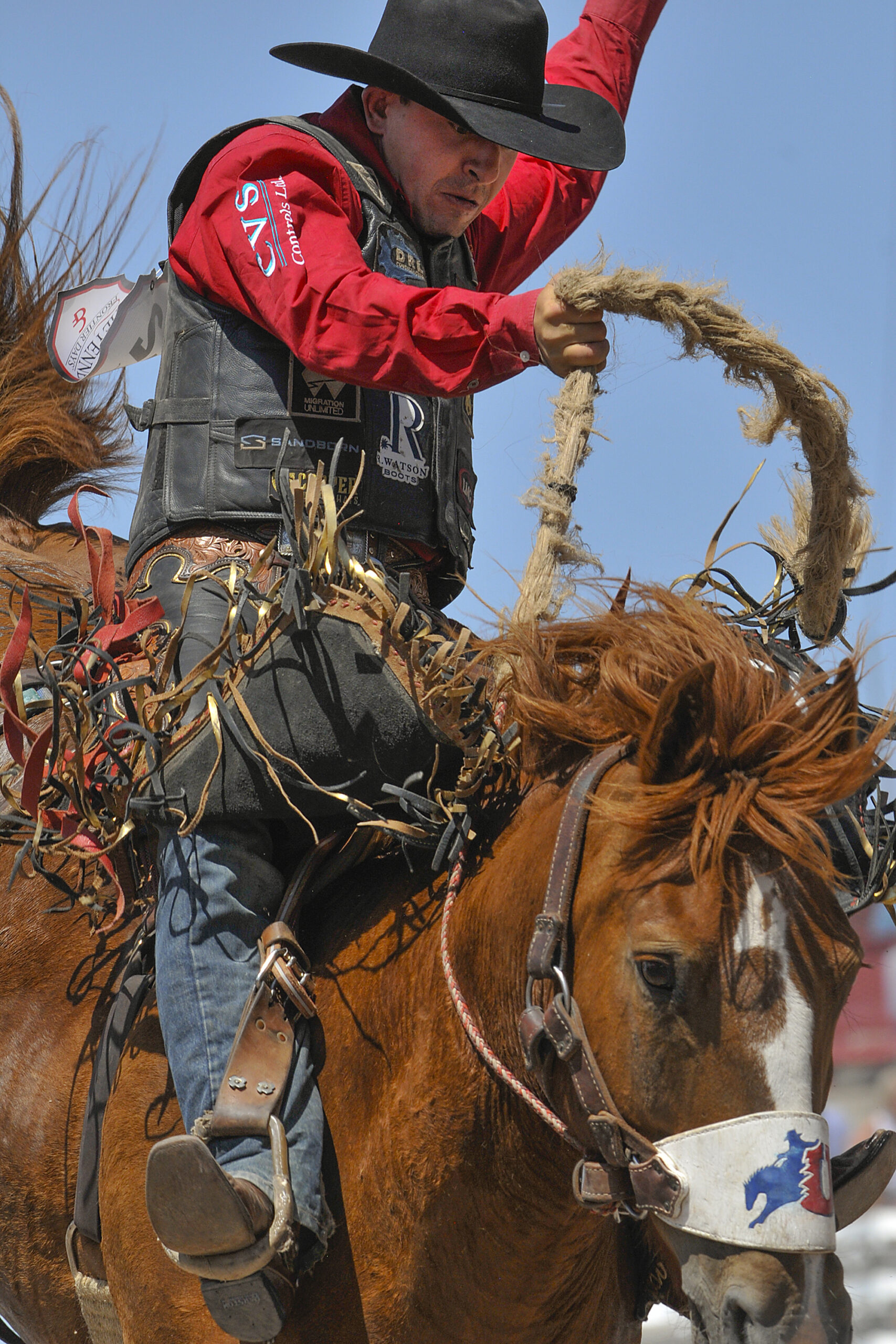
During a break in the action, I move around the arena to get closer to the action. Behind the white fence, it’s a different perspective as I am now only yards from the contestants as they bolt out of the chutes. But, all too soon, the dust settles and the pens are now full of calm livestock. The excitement pauses until the next round.
Back in the studio, I begin the transition from photographs to paintings. I begin sorting through and selecting the ones destined for canvas. I weigh the elements: the subject, placement, the canvas size, the orientation, and the background. I also make choices about which photographic elements to leave out.
I then do a series of rough sketches to explore the potential of an image often using the Fibonacci Spiral to create a strong composition. I then do a series of four small studies on a 9” by 12” panel to test out values, color, and lighting.
Once I land on a color study l prefer, I tone the canvas and sketch it out. I follow this by underpainting the values, using Burnt Sienna and thinner. Next up, I start building layers of color as I evaluate the piece for compositional or color changes. A black-and-white photo on my phone helps me to constantly check values.
Several weeks later, I will start to feel that the painting is complete. There are times, however, when it challenges me, so I set it aside while I work on something else and then return to it after the solution becomes clear.
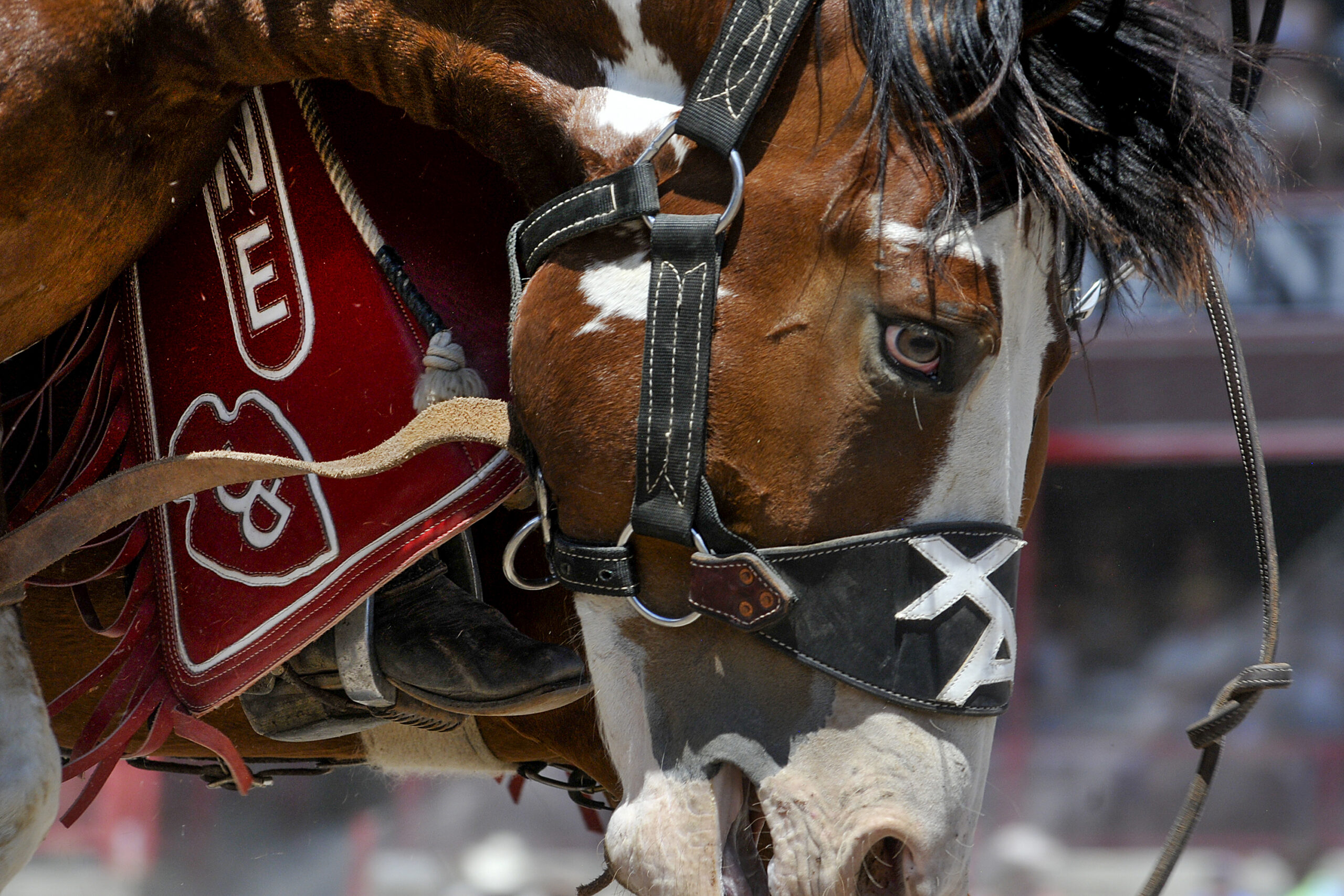
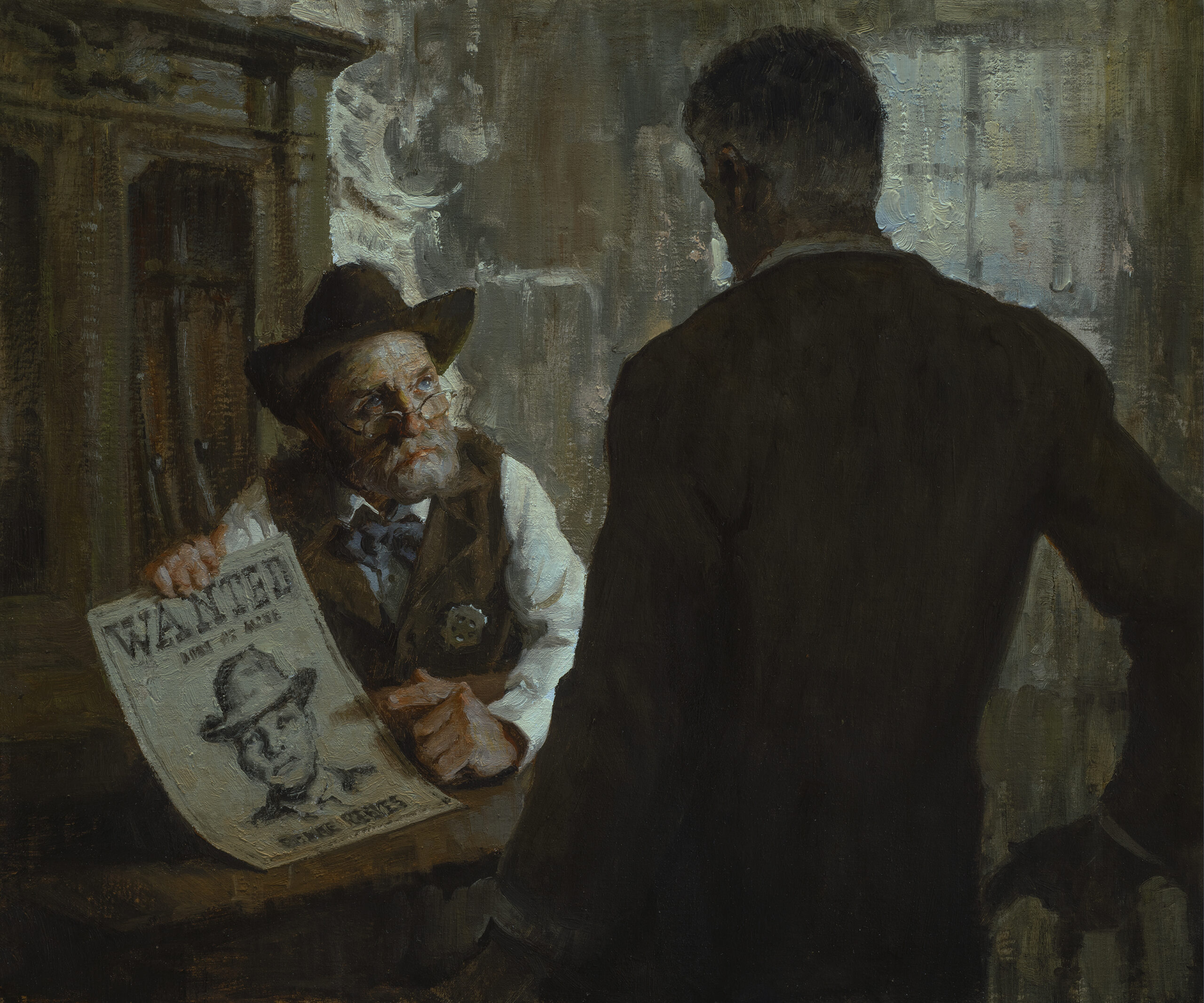
The time I spend at Cheyenne Frontier Days as an artist and photographer is priceless. There is a profound transition going from the roar of the arena to the silent focus as I paint in my studio. The images captured are the bones of my work. They are inspiration for my oil paintings that keep the thunder of the West alive long after the crowds have gone. As an artist, I try to translate the constant, fast-paced action to be reborn on canvas as dynamic tributes to the Western culture.
Written by Gregory Mayse